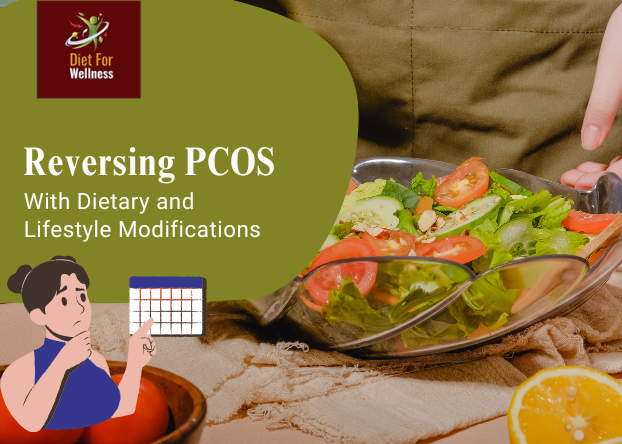
Reversing PCOS With Dietary and Lifestyle Modifications
Polycystic Ovary Syndrome (PCOS) is a common hormonal imbalance affecting roughly 8-13% of reproductive-aged women globally, according to the World Health Organization. The condition is primarily characterized by elevated levels of androgens and the presence of small cysts within the ovaries.
The physical symptoms of PCOS can vary, but the most frequent signs include
- Delayed, infrequent, or unusually prolonged cycles.
- Excess hair growth on the chin and upper lip, thinning scalp hair, or significant hair loss.
- Sudden or stubborn weight gain.
Managing PCOS and Weight
While medications can help regulate menstrual cycles, lifestyle and dietary modifications remain the primary first-line defense for managing weight. While doctors may prescribe specific weight-loss medications for severe cases, a sustainable, healthy diet is often the most effective long-term strategy for managing symptoms and maintaining a healthy weight.
The Metabolic Connection
For many women, PCOS is driven by Insulin Resistance. This occurs when your cells stop responding effectively to insulin, leaving glucose stranded in your bloodstream. To compensate, your pancreas pumps out even more insulin. This excess insulin acts like a hormonal green light for your ovaries, triggering them to produce surplus androgens. Left unmanaged, this cycle increases the risk of high cholesterol and lipid imbalances, type 2 diabetes, and long-term cardiovascular complications.
The PCOS Reversal Strategy
While genetics play a role, lifestyle factors like sedentary habits and highly processed diets can exacerbate metabolic dysfunction. Reversing the trend requires a three-pronged approach
- The PCOS-Friendly Diet
Focus on stabilizing blood sugar to lower insulin levels. Swap refined carbs (white bread, sugary snacks) for complex ones like quinoa, oats, and legumes. Incorporate berries, fatty fish, and leafy greens to reduce systemic inflammation. High-fiber vegetables and lean proteins slow down glucose absorption, preventing insulin spikes.
- Exercise
Movement is the most effective way to re-sensitize your cells to insulin. Building lean muscle helps your body burn glucose more efficiently, even at rest. Whether it’s HIIT, yoga, or brisk walking, the goal is to reduce visceral fat and improve metabolic flow.
- Weight Management
Weight loss with PCOS can be a chicken or the egg scenario, insulin resistance makes it hard to lose weight, yet losing weight improves insulin resistance. Research shows that losing even 5–10% of body weight can significantly improve ovulation, reduce androgen levels, and regulate menstrual cycles.
While there isn’t a miracle diet for Polycystic Ovary Syndrome (PCOS), the most effective approach focuses on hormonal regulation and metabolic health. Because insulin resistance is often the driving force behind the symptoms and weight gain associated with the condition, a strategic nutritional plan can be more effective than medication alone.
Dietary Changes That Can Help Reverse The Effects Of PCOS
- Target Insulin Sensitivity
The primary goal is to lower glucose levels and improve insulin response. When insulin is managed, the body stops overproducing androgens, which helps clear up skin and regulate cycles. Focus on complex carbs like whole grains, legumes, and seeds that don’t cause sharp blood sugar spikes. Increase the intake of fiber which slows down digestion, further stabilizing glucose levels.
- The Power of Small Weight Loss
You don’t need to reach a perfect weight to see massive results. Clinical evidence suggests that losing just 5% of excess body fat can significantly improve insulin sensitivity and restore regular ovulation.
- Metabolic Optimization
A successful PCOS diet helps in metabolic repair. Incorporate healthy fats like omega-3s and antioxidants to reduce the low-grade inflammation typical of PCOS. Lean proteins are essential for satiety and maintaining muscle mass, which helps burn glucose more efficiently.
- Lifestyle over Medication
While medication can assist with specific symptoms, a customized nutrition plan paired with regular exercise addresses the root cause rather than just the symptoms. You can effectively reset your metabolism by tailoring your intake to your specific hormonal profile.
Nutrition Essentials
- High-Quality Proteins
Protein is your best friend for satiety and metabolic health. It stabilizes blood sugar and keeps hunger hormones” like ghrelin in check. Opt for lean poultry and fatty fish , and seeds like flax, pumpkin, chia, sunflower, and sesame which provide a dual benefit of plant-based protein and essential fibers.
- Smart Carbohydrates & Low GI Foods
You don’t have to cut carbs, but you should choose complex, low-glycemic versions that digest slowly like oats, quinoa, chickpeas, lentils, and sweet potatoes. These prevent the insulin spikes that signal your ovaries to produce excess testosterone. Add spices like cinnamon, fenugreek, and ajwain to your meals to further enhance insulin sensitivity.
- Anti-Inflammatory Focus
PCOS is often connected to low-grade chronic inflammation. Neutralizing this can reduce fatigue and skin issues. Include spinach, kale, fresh coriander, strawberries, blueberries, blackberries, and fatty fish to get healthy fats needed for hormone production.