
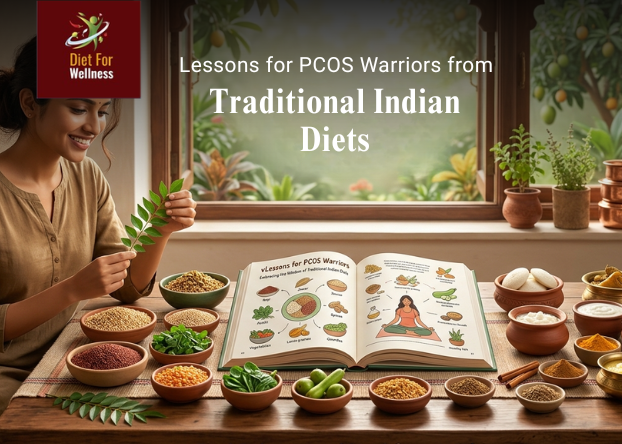
1 in every 5 Indian women now lives with PCOS.
Yes, that is the startling reality.
Recent data shows a sharp rise in Polycystic Ovary Syndrome (PCOS) among those aged 15 to 44, with urban hubs seeing the highest surge.
While modern stressors like processed diets, sedentary habits, and chronic tension are driving this hormonal shift, you have more control than you might think. Your most powerful tool for management is in your kitchen. Your daily diet is your first line of defense.
The rise in PCOS is a reflection of how our changing environments affect our biology. Common symptoms include disruptions in hormonal rhythm, difficulty managing weight due to insulin resistance, and challenges that can feel overwhelming without the right support. Managing PCOS can be achieved by focusing on whole foods and anti-inflammatory ingredients which help stabilize insulin levels and soothe your endocrine system.
What’s Happening Inside Your Body?
Polycystic Ovary Syndrome is a hormonal imbalance where the ovaries produce increased levels of androgens, male-pattern hormones. This shift often prevents eggs from maturing fully, leading to the presence of multiple immature follicles. These internal changes can be seen externally as irregular periods, persistent acne, and unwanted hair growth.
An important, though often invisible, factor in PCOS is insulin resistance. When the body doesn’t process insulin efficiently, it triggers the ovaries to produce even more androgens, creating a difficult cycle to break. During consultations at the Diet For Wellness Clinic, our experienced doctors emphasize to the patients that dietary choices are a primary driver of insulin levels, and by extension, the severity of PCOS symptoms.
Diet Is A Key Way To Deal With PCOS
What you eat is one of the most powerful tools you have for managing PCOS.
Because nutrition directly influences your endocrine system, a thoughtful Indian diet tailored for PCOS can provide the following benefits-
- Regulates Insulin & Blood Sugar– Choosing the right carbohydrates prevents the sharp spikes that worsen hormonal imbalances.
- Lowers Systemic Inflammation– Incorporating antioxidant-rich spices and whole foods helps calm the body’s inflammatory response.
- Restores Ovulatory Health– Proper nutrition provides the essential building blocks needed for a regular menstrual cycle.
- Boosts Vitality– Balancing your plate helps eliminate the sugar crashes that lead to fatigue and mood swings.
Indian Superfoods for PCOS
Managing PCOS requires choosing the right fuel. In India, our kitchens are naturally stocked with superfoods that can help regulate hormones and improve insulin sensitivity.
According to our doctors and nutritionists, integrating these specific ingredients into your daily meals can provide significant therapeutic benefits such as
- Flaxseeds– Rich in lignans, these help combat excess androgen levels.
- Curry Leaves– A staple for supporting healthy insulin function and digestion.
- Amla– Packed with Vitamin C to help detoxify the liver and reduce oxidative stress.
- Methi– Known for improving menstrual regularity and insulin response.
- Cinnamon– A natural way to help stabilize blood sugar levels and reduce cravings.
Foods to Minimize
To keep symptoms at bay, it is essential to reduce inflammation and insulin spikes. We advise patients to be vigilant about food labels and steer clear of refined carbs, sugary treats, trans fats, processed items, and high-fat dairy.
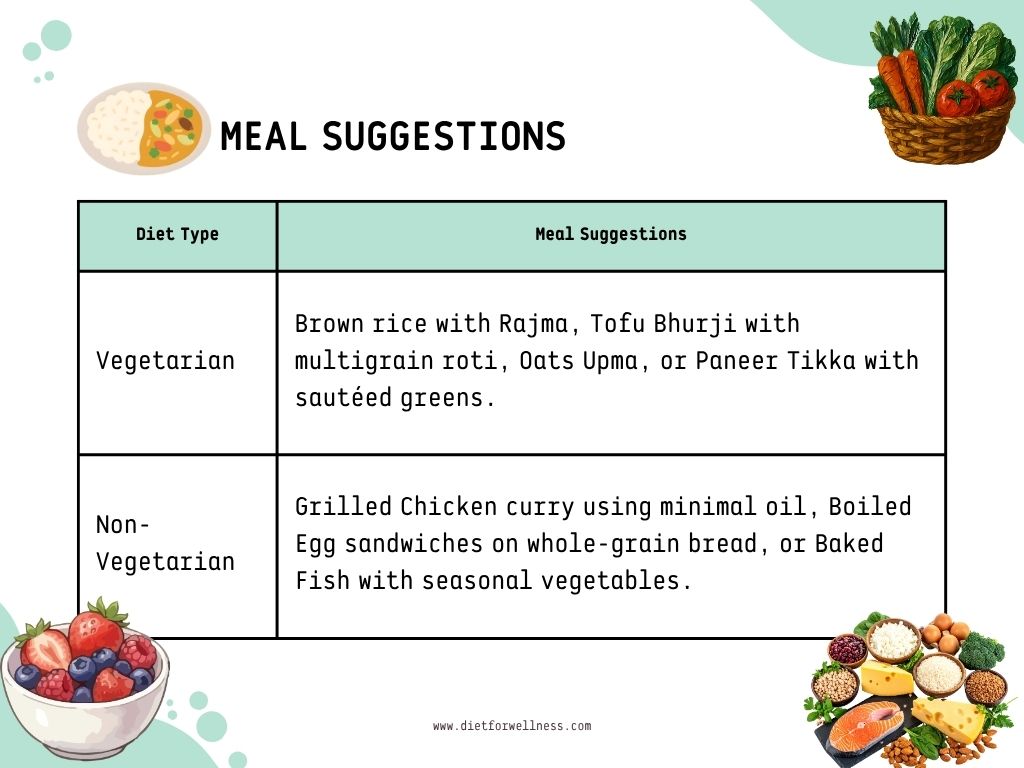
Whether you prefer plant-based or protein-rich animal sources, your plate should ideally be a mix of fiber, lean protein, and healthy fats.
The How and When of Eating
Frequency matters as much as food quality. To prevent the insulin spikes that drive PCOS symptoms you should never skip breakfast. Start with high protein and fiber. Eat consistently every 3-4 hours. Avoid long gaps because staying hungry for too long can lead to overeating and hormonal crashes.
Lasting results come from a 360-degree approach to health. So make sure to include the following as well.
- 30-40 minutes of daily brisk walking.
- Practice Yoga or Pilates to lower cortisol levels.
- Ensure at least 7-8 hours of quality shut-eye.
- Prioritize water and fresh coconut water over caffeinated drinks.
While a healthy diet is the foundation, certain supplements may be necessary to bridge nutritional gaps common in Indian women
- Myo-inositol & D-chiro inositol support insulin signaling.
- Vitamin D3 is important for metabolic and reproductive health.
- Magnesium & Zinc is useful for reducing inflammation and easing period cramps.
Make sure to consult with an expert from our team at Diet for Wellness before starting a supplement regimen. Proper medical evaluation is required to determine the correct dosage for your specific health profile.