
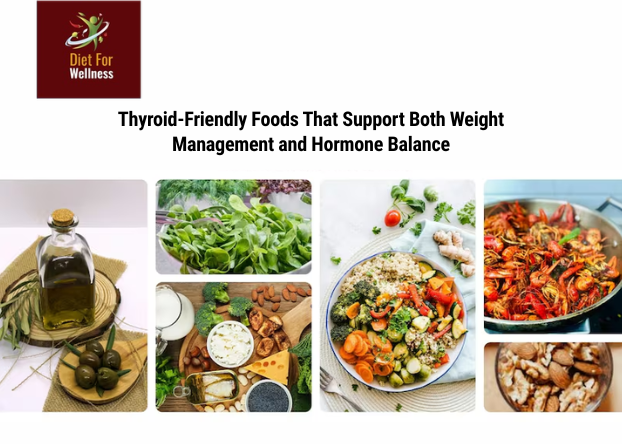
Many people struggling with unexplained weight gain, fatigue, hair fall, or mood fluctuations may actually be dealing with an underlying thyroid imbalance. The thyroid gland plays an important role in regulating metabolism, energy production, and hormonal balance in the body. When it is not functioning optimally, weight management becomes more difficult.
While medication may be necessary in some cases, nutrition plays a powerful role in supporting thyroid health and improving metabolic efficiency. Choosing the right foods can help regulate hormone production, reduce inflammation, and support sustainable weight management.
The Thyroid-Metabolism Connection
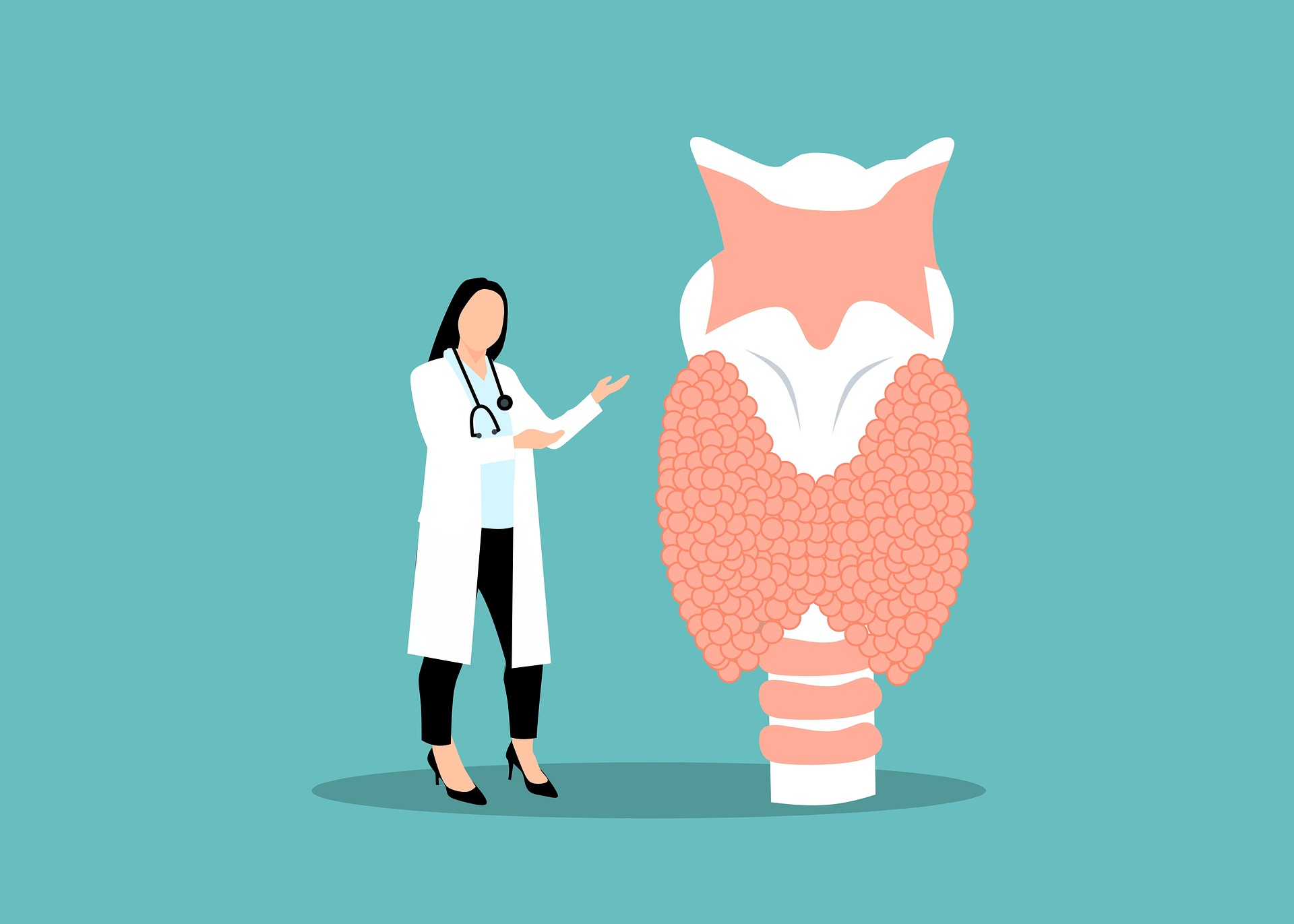
The thyroid gland produces hormones (T3 and T4) that regulate how your body uses energy. When thyroid function slows down, as in hypothyroidism, metabolism slows as well. This can lead to weight gain or difficulty losing weight, fatigue and sluggishness, hair thinning and dry skin, mood changes, and water retention and bloating. A nutrient-rich diet can support hormone production, improve metabolic health, and reduce symptoms.
Nutrients Your Thyroid Needs

Certain nutrients are especially important for proper thyroid function.
- Iodine is Important for Thyroid Hormone Production
Iodine is a key building block for thyroid hormones. However, it must be consumed in balanced amounts. Thyroid-friendly iodine sources include iodized salt (in moderation), dairy products, and eggs. Excess iodine supplementation without medical guidance should be avoided.
- Selenium Supports Hormone Conversion
Selenium helps convert the inactive thyroid hormone (T4) into its active form (T3), which the body can use. Good sources include sunflower seeds, mushrooms, eggs, and fish. Just a small quantity can meet your daily selenium needs.
- Zinc Supports Thyroid Function and Immunity
Zinc helps regulate hormone levels and supports immune health, which is particularly important in autoimmune thyroid disorders. Zinc-rich foods include pumpkin seeds, chickpeas, lentils, nuts, and whole grains.
- Iron Supports Energy and Thyroid Hormone Production
Iron deficiency is common among people with thyroid disorders and can worsen fatigue and metabolism issues. Iron-rich foods include spinach, beetroot, legumes, dates, and lean meats. Pair plant-based iron sources with vitamin C foods like lemon or amla to improve absorption.
Thyroid-Friendly Foods That Support Weight Management

- Protein-Rich Foods
Protein helps maintain muscle mass and boosts metabolic activity, which is beneficial for those with slow metabolism. Healthy options include lentils and dal, paneer and yogurt, eggs, tofu, and fish. Protein also improves satiety, reducing unnecessary snacking.
- Fiber-Rich Whole Foods
Fiber supports digestion, stabilizes blood sugar, and helps manage weight. Include foods like oats, brown rice, millets, vegetables, and fruits such as apples and pears. Fiber also supports gut health, which is closely connected to hormonal balance.
- Healthy Fats for Hormone Balance
Hormones require healthy fats for proper production and function. Include nuts and seeds, flaxseeds, walnuts, avocado, and cold-pressed oils. Omega-3 fatty acids also help reduce inflammation in the body.
- Antioxidant-Rich Vegetables
Colorful vegetables support detoxification and protect thyroid cells from oxidative stress. Great options include carrots, pumpkin, capsicum, tomatoes, and green leafy vegetables. These foods also provide essential vitamins and minerals needed for metabolic balance.
Foods to Consume Mindfully
Certain foods are often misunderstood when it comes to thyroid health.
Cruciferous Vegetables- Vegetables like cabbage, broccoli, and cauliflower contain compounds called goitrogens. However, when cooked and eaten in moderate amounts, they are generally safe and nutritious.
Soy Products- Soy may interfere with thyroid medication absorption. It does not need to be completely eliminated but should be consumed in moderation and spaced away from medication timing.
Lifestyle Habits That Support Thyroid Health
Diet works best when combined with supportive lifestyle practices.
- Maintain regular meal timings
- Avoid extreme calorie restriction
- Manage stress levels
- Prioritize quality sleep
- Include regular physical activity
Sustainable weight management comes from supporting metabolism rather than starving the body. Thyroid health and weight management are closely connected. A balanced diet rich in iodine, selenium, zinc, protein, fiber, and healthy fats can support hormone production and metabolic balance. Rather than following restrictive diets, focus on nourishing your body with thyroid-friendly foods that promote long-term wellness.
If you are experiencing persistent symptoms such as unexplained weight gain, fatigue, or hormonal imbalance, consulting a qualified nutrition expert can help you design a personalized diet plan that supports both thyroid health and healthy weight management.