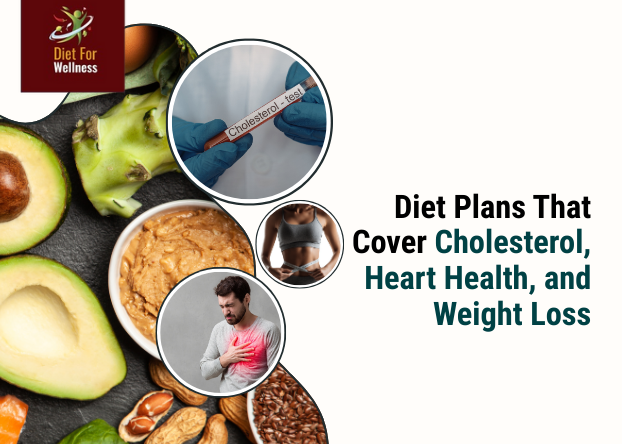
Heart disease, high cholesterol, and obesity are deeply interconnected health challenges, especially in India, where rapid lifestyle changes are driving up risks faster than ever before. A smart diet plan that targets all three that is lowering cholesterol, protecting the heart, and aiding weight loss can dramatically improve long-term health outcomes.
- More than 56% of the disease burden in India is associated with unhealthy diets, contributing to conditions like coronary heart disease (CHD), hypertension, and diabetes.
- A Lancet-backed study found that ~81% of Indians have abnormal cholesterol levels, including high LDL (bad cholesterol) and low HDL (good cholesterol), driving heart disease risk.
- By 2050, nearly 440 million Indians could be overweight or obese, a trend that dramatically increases cardiovascular risk.
- Heart disease treatments and medications in India have surged, with cardiac drug sales rising ~50% in just 5 years, a proxy for increasing disease prevalence.
These trends reveal a health ecosystem under pressure, but also highlight where targeted interventions, especially diet, can make a real difference.
The Interplay Of Cholesterol, Heart Health & Weight
1. Cholesterol
Cholesterol isn’t inherently bad, the body needs it, but when levels become imbalanced, problems arise.
- LDL (low-density lipoprotein)- Bad cholesterol that contributes to arterial plaque.
- HDL (high-density lipoprotein)- Good cholesterol that helps remove LDL.
- Triglycerides- Increased levels further heighten risk of heart disease.
In India, high LDL and low HDL are prevalent, even in people under 50, signaling that heart disease risk isn’t limited to older adults.
2. Heart Health
Cardiovascular disease doesn’t happen overnight. Factors like high cholesterol, excess weight, sedentary lifestyle, and poor diet synergize into a powerful risk cluster.
Indian awareness is improving, roughly 84% of adults recognize heart conditions exist, but only ~40% associate chest pain with potential heart risk, showing knowledge gaps remain.
3. Weight & Metabolic Health
Obesity is a driver of inflammation, insulin resistance, and metabolic dysfunction. Excess weight magnifies cholesterol imbalance, increases blood pressure, and accelerates atherosclerosis (arterial plaque buildup).
Unless weight management is integrated into heart-health strategies, other interventions have limited impact.
Diet Plans That Address All Three
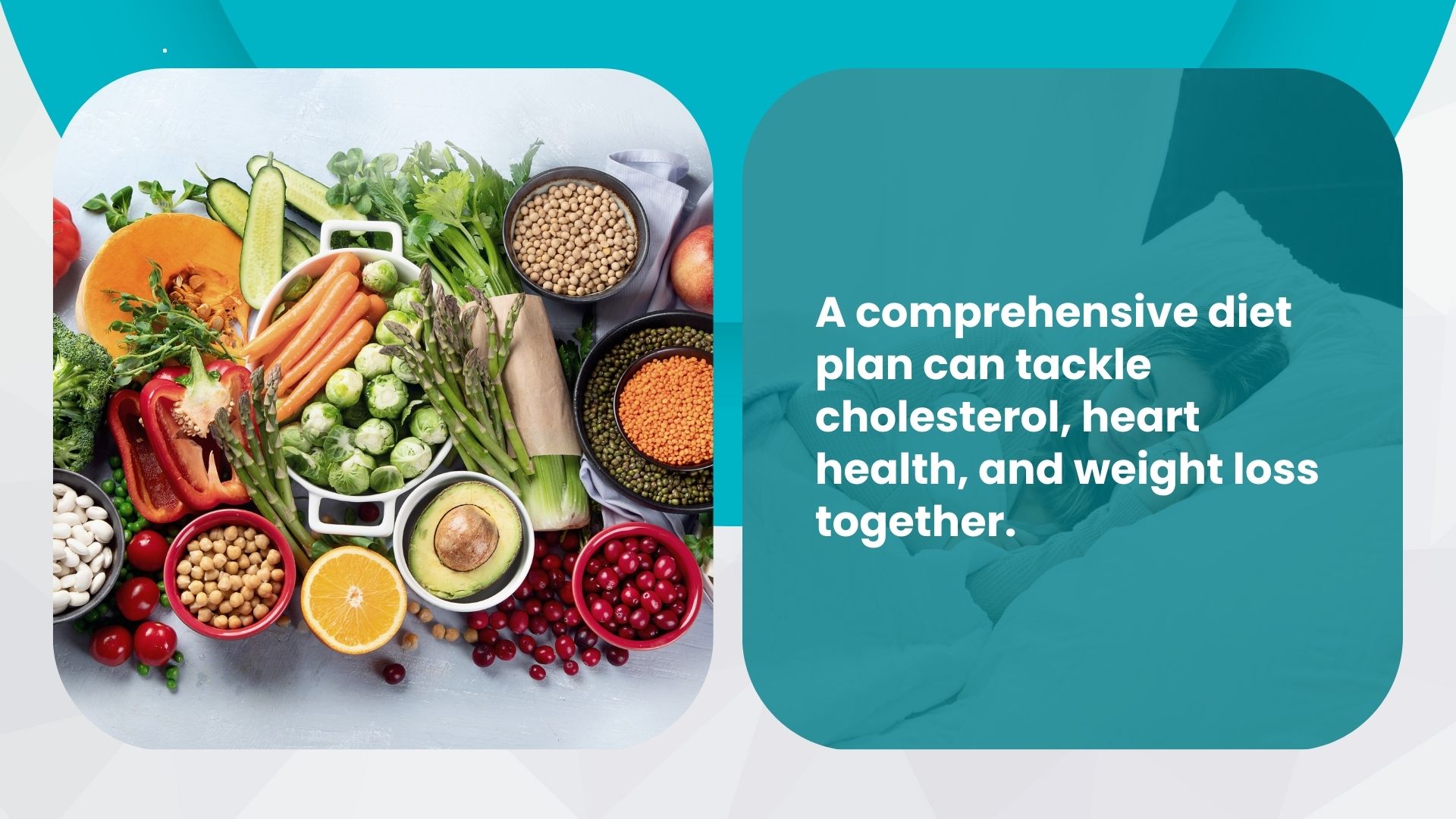
1. Focus on Plant-Forward Nutrition
A plant-based diet naturally reduces saturated fats and increases fiber, two important steps in lowering LDL. High soluble fiber like beans, lentils, oats, barley, flaxseeds binds cholesterol in the gut and lowers absorption. Foods enriched with plant sterols can lower LDL by up to 12%. Soy protein is a heart-friendly protein source associated with modest LDL reduction.
You can opt for 1 bowl of cooked lentils or high-fiber grains at lunch, a serving of soy or legumes at dinner, and a handful of nuts and seeds as snacks.
2. Healthy Fats Over Harmful Fats
Replace saturated and trans fats with healthy unsaturated fats found in healthy oils like mustard, cold-pressed groundnut, olive (moderation), and nuts and seeds like almonds, walnuts, chia seeds. Almonds, even a daily handful, may lower LDL and benefit metabolic health.
3. Fruit & Vegetable Power
Fruits and vegetables aren’t just nutrient-dense, they supply antioxidants, polyphenols, and fiber that support heart health and weight control. 5–7 servings are suggested per day of mix colors and types combining high-fiber fruits like apples, oranges, pears, and cruciferous veggies like broccoli, and cabbage.
4. Reduce Refined Carbs and Added Sugars
Refined grains (white rice, white bread) and sugary drinks spike insulin and contribute to weight gain, high triglycerides, and inflammation. Better options to go for would be whole grains like brown rice, millets, complex carbohydrates like sweet potatoes, oats. Also you should limit soft drinks, sweets, and packaged snacks.
5. Spices and Heart-Friendly Add-Ons
Incorporate traditional ingredients with proven benefits like the following-
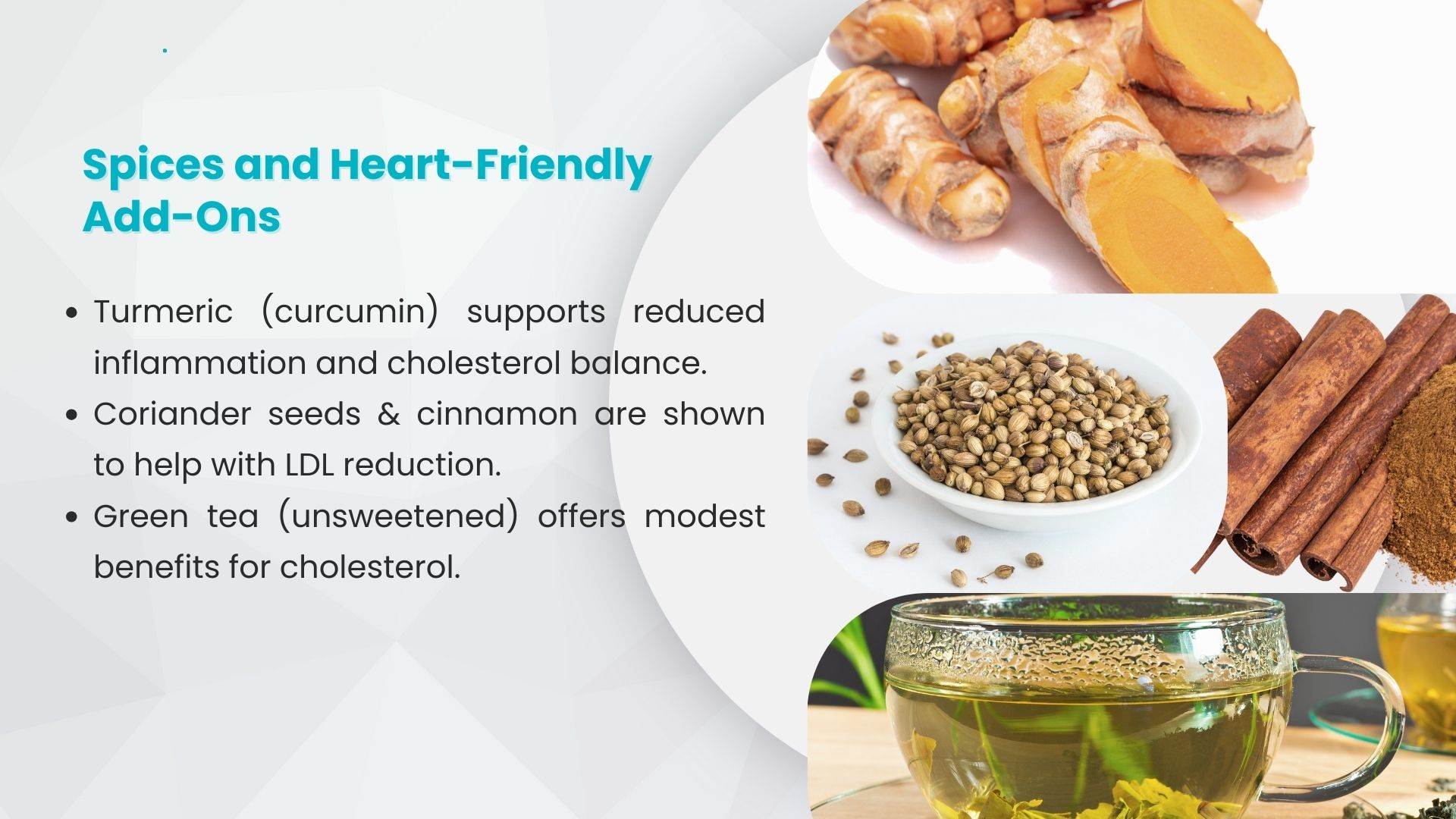
These sound small, but over time they contribute meaningfully toward a heart-healthy metabolic profile.
Lifestyle Partners With Diet For Success
Diet is a foundation, but combining nutrition with these habits supercharges results
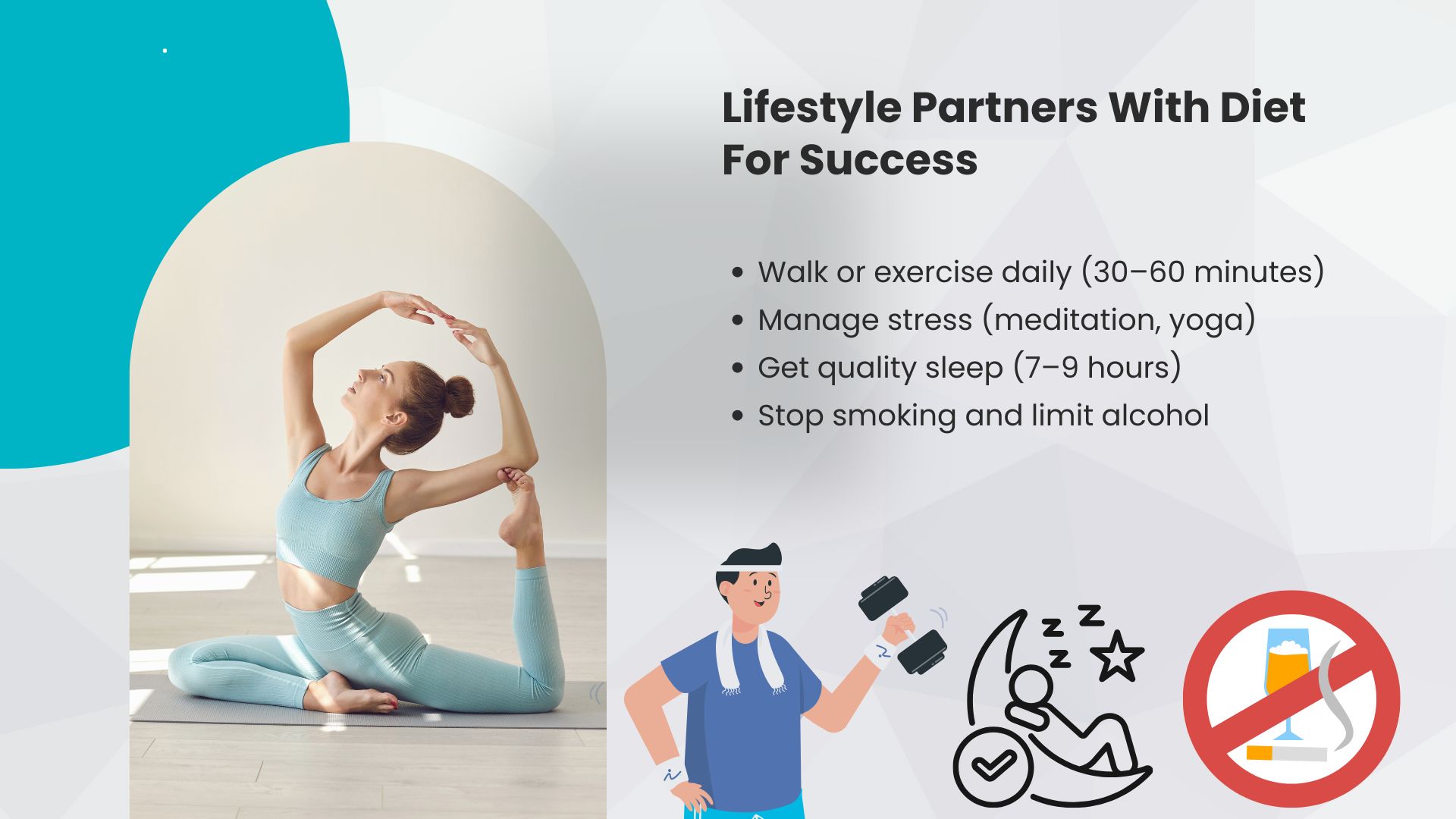
These habits help reduce visceral fat, optimize cholesterol, and protect heart muscle function.
Almost 90% of premature heart disease can be prevented with lifestyle and diet interventions.
For Indians, where high cholesterol, weight gain, and heart risk are converging rapidly, a comprehensive diet strategy is essential.
You can reclaim heart health, manage weight, and balance cholesterol by focusing on whole foods, mindful eating, and a lifestyle that supports metabolic wellness.