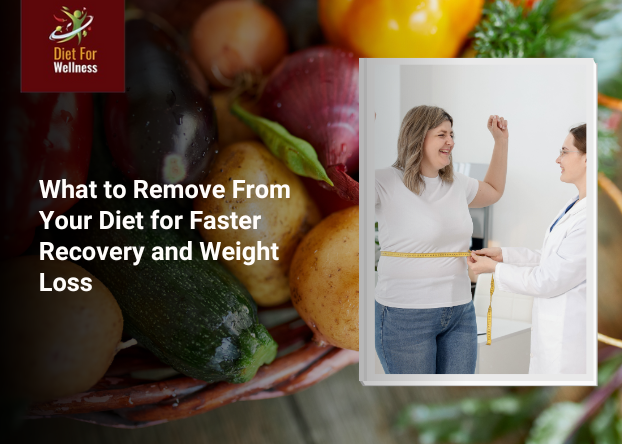
When it comes to weight loss and healing the body, most people ask one question- “What should I eat?”
But an equally powerful question often goes unasked- “What should I stop eating?”
We’ve seen this time and again, people don’t fail because they eat too little good food, but because their daily diet is overloaded with foods that silently slow recovery, trigger inflammation, and block fat loss.
If your goal is faster recovery, sustainable weight loss, and long-term metabolic health, here’s what needs to go off your plate first.
Refined Sugar Is The Biggest Roadblock to Healing
Refined sugar does far more damage than just adding calories.
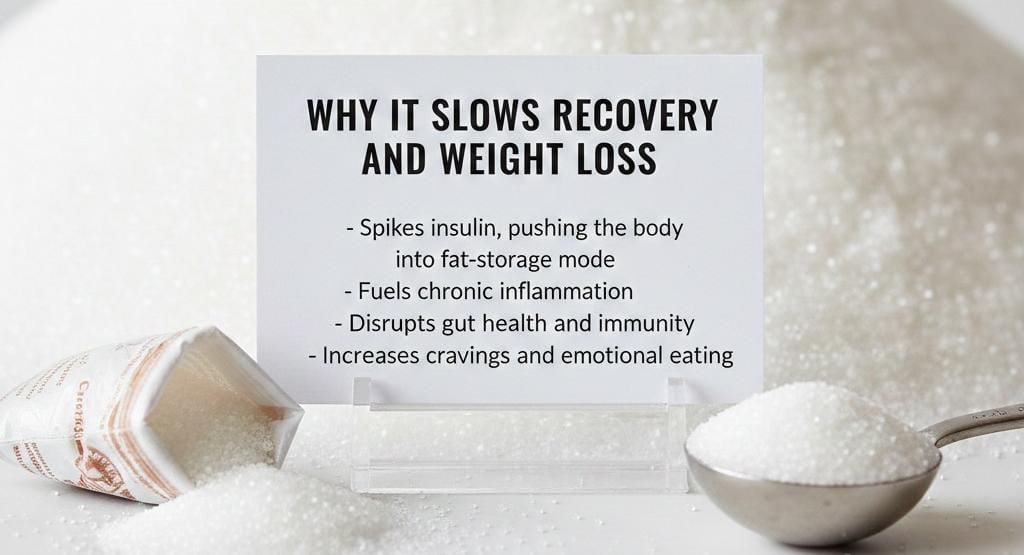
Common sources to eliminate are sugar, jaggery in excess, honey as a “health food”, sweets, desserts, chocolates, packaged fruit juices and flavoured drinks, and breakfast cereals marketed as “healthy”.
Instead you should rely on whole fruits in moderation and train your palate to enjoy natural sweetness.
Refined Carbohydrates Are Empty Calories That Result In Slower Metabolism
White flour and refined grains digest quickly, causing sharp glucose spikes followed by crashes, that are perfect conditions for weight gain.
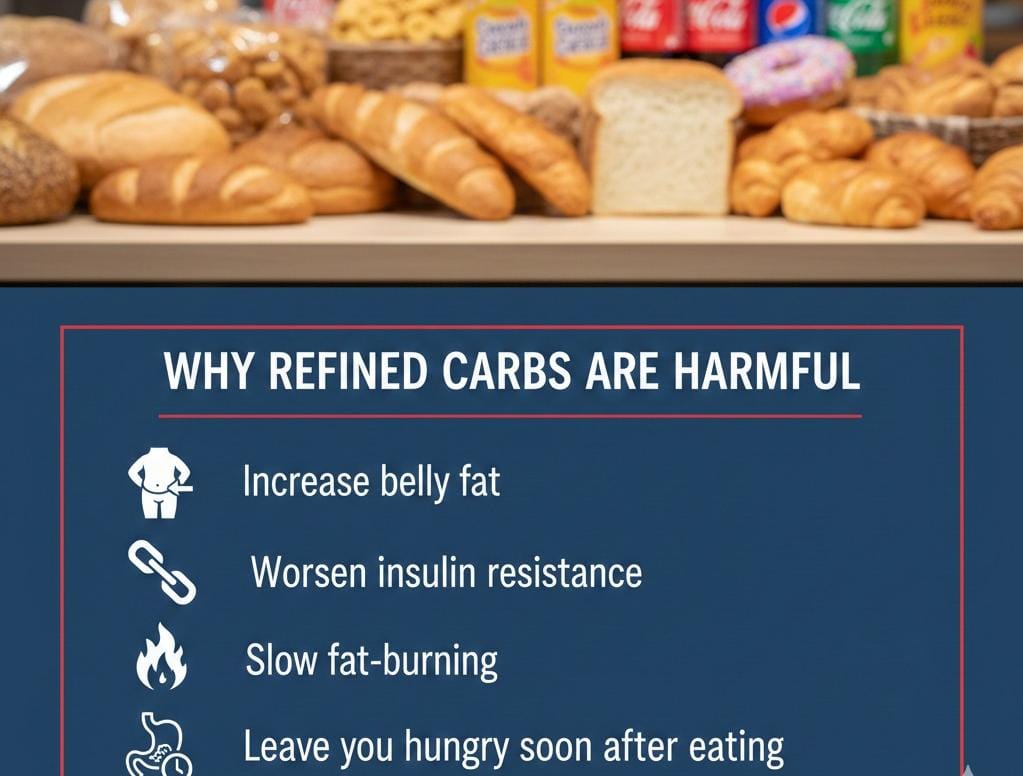
Remove or drastically reduce maida-based rotis, breads, naan, biscuits, white rice, and pasta and bakery items.
Switch to complex carbohydrates like millets, brown rice, oats, and seasonal root vegetables in controlled portions.
Packaged & Ultra-Processed Foods Are The Silent Saboteurs
If it comes with a long ingredient list, it’s likely slowing your progress.
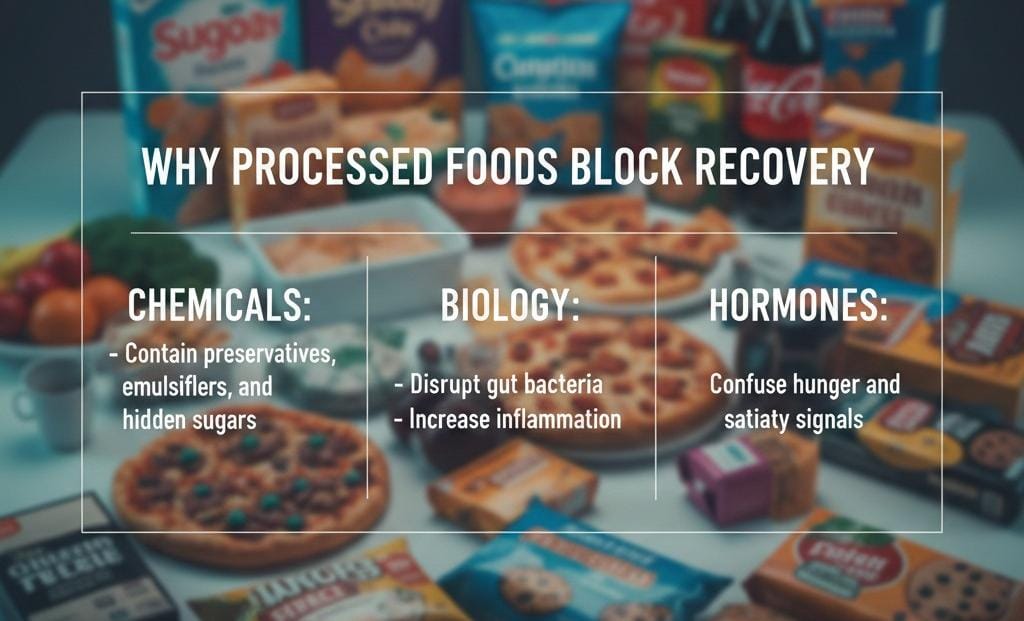
Foods to avoid are packaged snacks, chips, namkeen, ready-to-eat meals. protein bars with added sugars, and diet foods with artificial sweeteners.
Instead choose freshly cooked meals using whole, recognisable ingredients.
Unhealthy Fats Equal To Inflammation on a Plate
Not all fats are bad, but the wrong ones can completely stall healing.
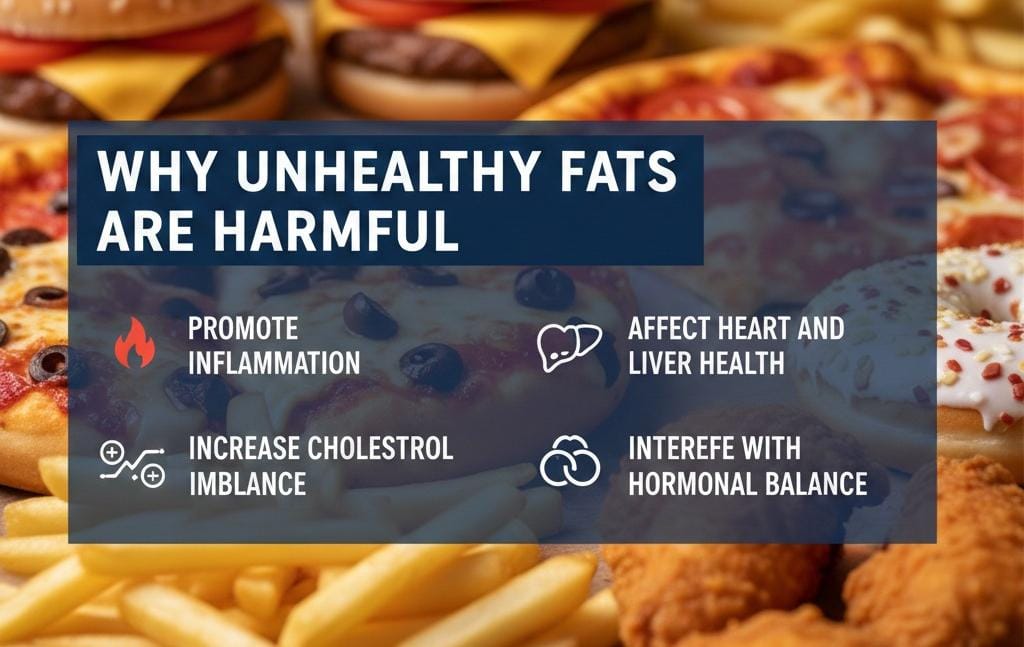
Eliminate refined vegetable oils (sunflower, soybean, palm oil), reused or reheated oils, and fried and fast foods.
Use traditional fats like cold-pressed oils, ghee, coconut oil, and nuts mindfully and in small quantities.
Excess Dairy Is Not Always a Weight-Loss Friend
While dairy works for some, it can slow recovery for many.
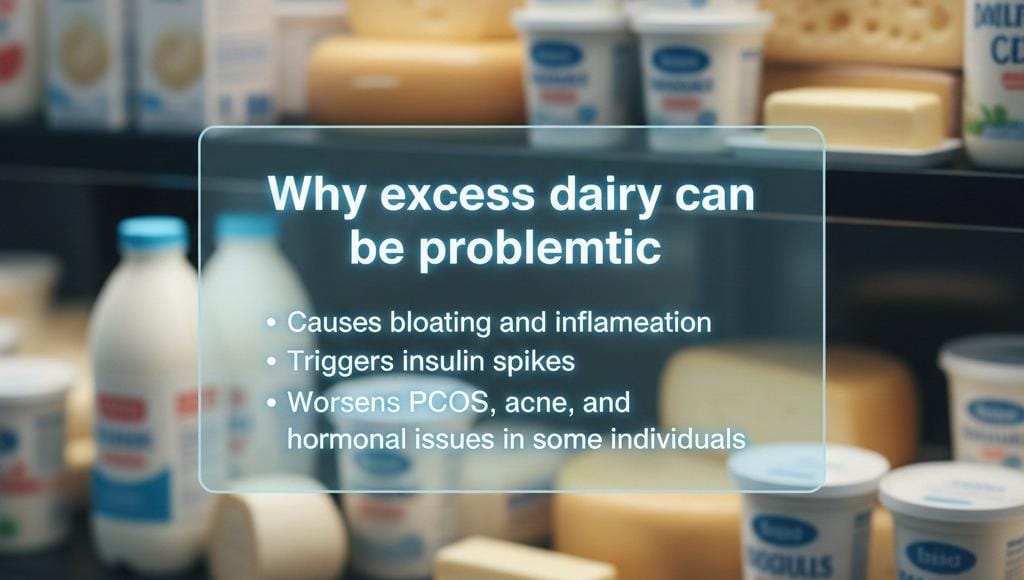
Limit or remove milk, cheese, and flavoured yoghurts.
Go for fermented options like curd or buttermilk in moderation, or explore plant-based alternatives if suitable.
Alcohol Is Recovery’s Biggest Enemy
Alcohol doesn’t just add empty calories, but it stops fat burning altogether.
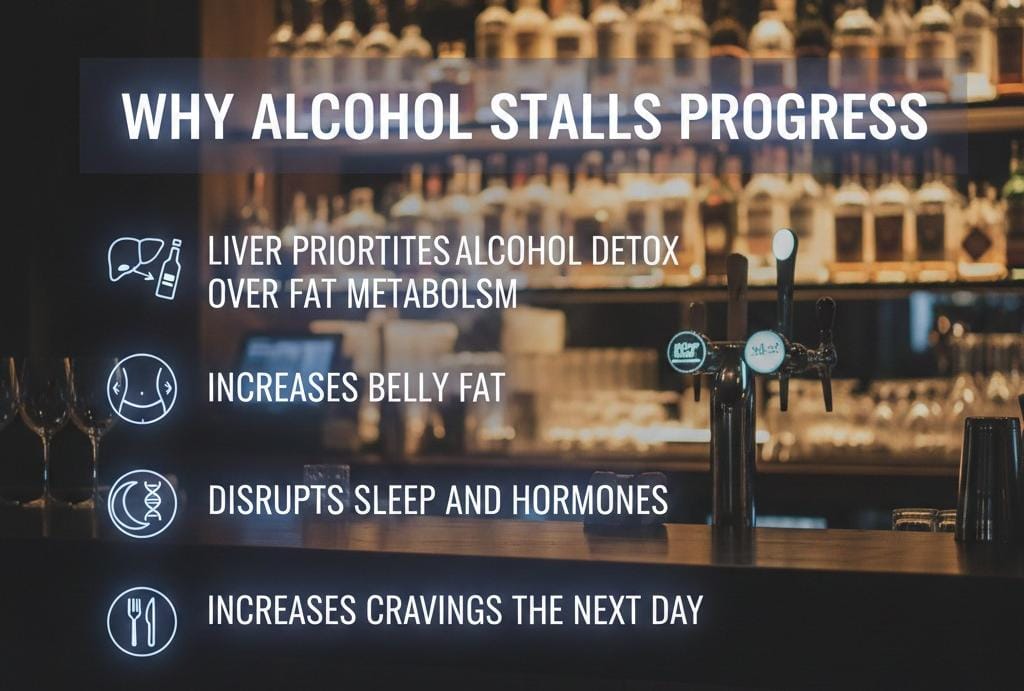
If weight loss and recovery are your goals, reducing or eliminating alcohol makes a noticeable difference within weeks.
Constant Snacking Prevents Healing
Eating every two hours keeps insulin high and gives the digestive system no time to reset.
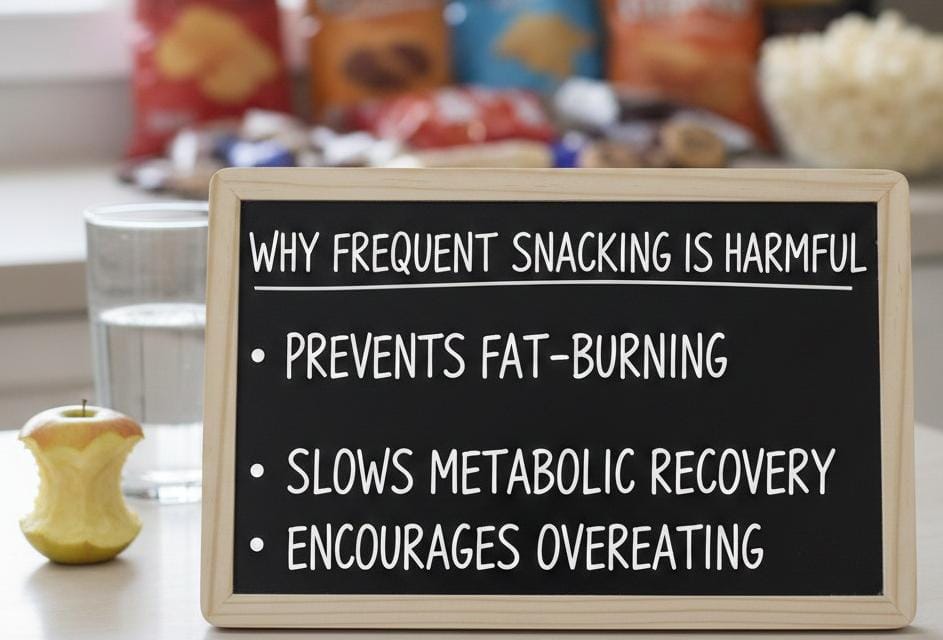
Eat balanced meals with adequate protein, fibre, and healthy fats to stay full longer.
Recovery and Weight Loss Begin With Removal
Healing the body and losing weight means reducing what burdens your system.
Our experts focus on
- Removing inflammatory foods
- Stabilising blood sugar
- Supporting gut and metabolic health
- Creating sustainable eating patterns
When you remove what harms the body, recovery accelerates naturally, and weight loss becomes a byproduct.